Vibe Coder #1.3: From Developer to Product Engineer
In traditional software, roles were split along sharp lines: the product manager (PM) said what to build, the designer drew how it should look, and the developer turned those instructions into code. Ideas died somewhere between weeks of PRD (Product Requirements Document) meetings, endless Jira workflows and the "not my job" wall. In the Vibe Coder era, that hierarchy is being knocked flat.
This post is also available in Turkish →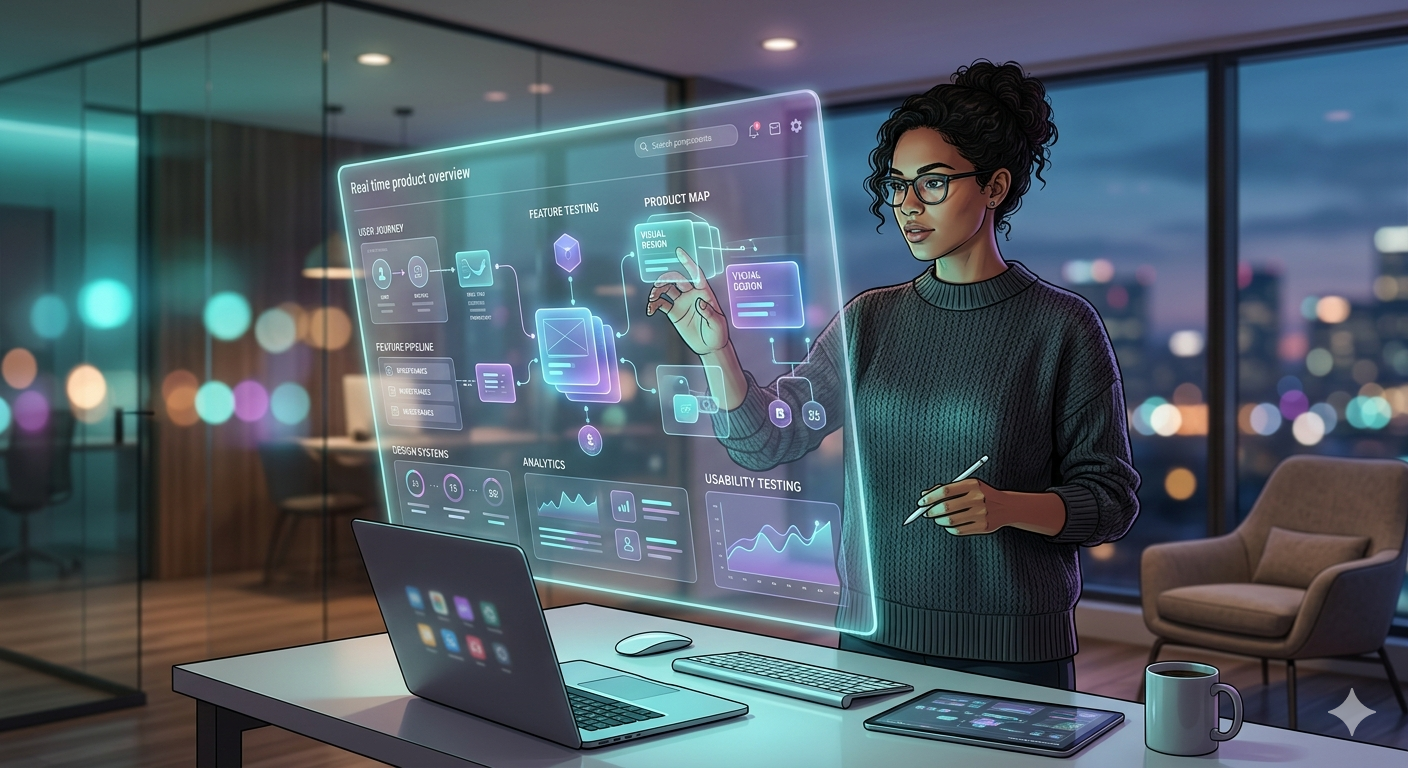
Software Engineer vs. Product Engineer#
A software engineer focuses on the question "How do I write more efficient code?" Algorithms, data structures and syntax optimisation are their home turf. A product engineer starts from a different question: "What is the fastest and most effective way to solve this problem?"
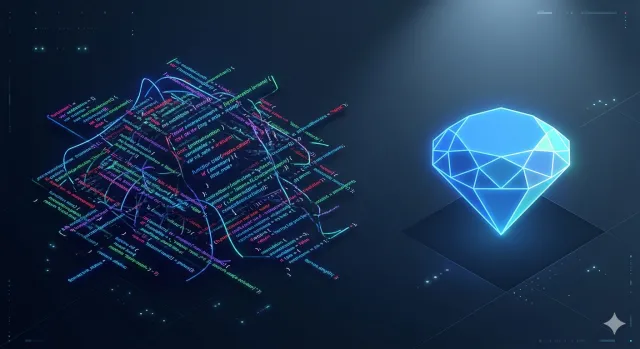
Now that AI has taken over the syntax load, "writing code", the activity that used to take up 80% of a developer's time, has lost its marginal value. The real value now lies in understanding what the user needs and orchestrating the solution. A product engineer is in love not with the code itself but with what the code produces.
The Death of the PRD Meeting#
In the traditional process, getting a feature out the door meant pages of documentation, because mistakes were expensive: a misunderstood feature meant weeks of work going in the bin. In the vibe coding world, the road from idea to production has shrunk to hours.
Today a Vibe Coder can take an idea they had in the morning and put it in front of users as a working prototype by the afternoon. That speed makes long documentation cycles pointless. Trying something and failing now costs less than planning the same feature on paper.
Scope of Responsibility: End-to-End Ownership#
A product engineer does not just close the ticket they were handed. They are responsible for the product's success from end to end.
- Design: A Vibe Coder can make aesthetic and user-experience decisions on their own, using tools such as v0 or Lovable (Chapter 3.2).
- Deployment: They keep the product live by setting up CI/CD pipelines and autopilot mode (Chapter 7.1).
- Feedback: They analyse the data coming in from users and ship updates within minutes with the help of AI.
In the End#
Moving from developer to product engineer means stepping out of a comfort zone. You leave the safe harbour of syntax details and set sail on an open sea of uncertainty and user needs. If you don't want to be a "code translator" who only writes what they are told, you have to be ready to become a conductor who shapes the soul of the product.

Comments
0 comments
Leave a comment